What is Impressionism?
Impressionism began in Paris when a group of painters took their easels outdoors and tried to capture a moment of light before it changed. Loose brushstrokes, bright colour and everyday subjects replaced polished studio finish. The critics who mocked it gave it its name, from Monet's "Impression, Sunrise".
How to recognise it
- Visible, broken brushstrokes that suggest rather than outline
- Light and weather as the real subject, often painted outdoors
- Ordinary modern life: boating parties, cafés, railways and gardens
- Bright, unblended colour, with shadows full of blues and violets instead of black
Key Impressionism paintings

Women in the Garden
Claude Monet · 1867

Impression, Sunrise
Claude Monet · 1872

The Cradle
Berthe Morisot · 1872

The Dance Class
Edgar Degas · 1874
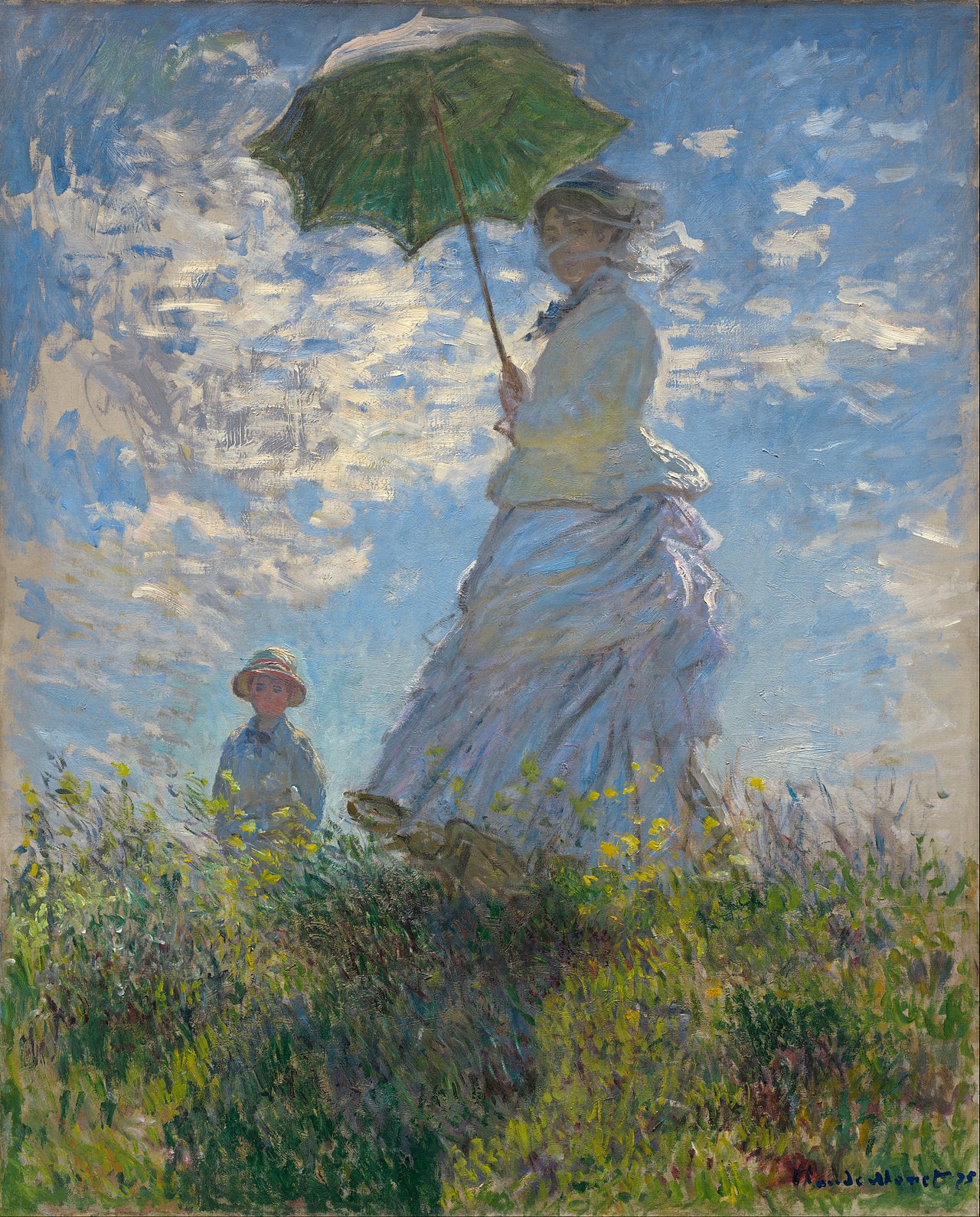
Woman with a Parasol
Claude Monet · 1875
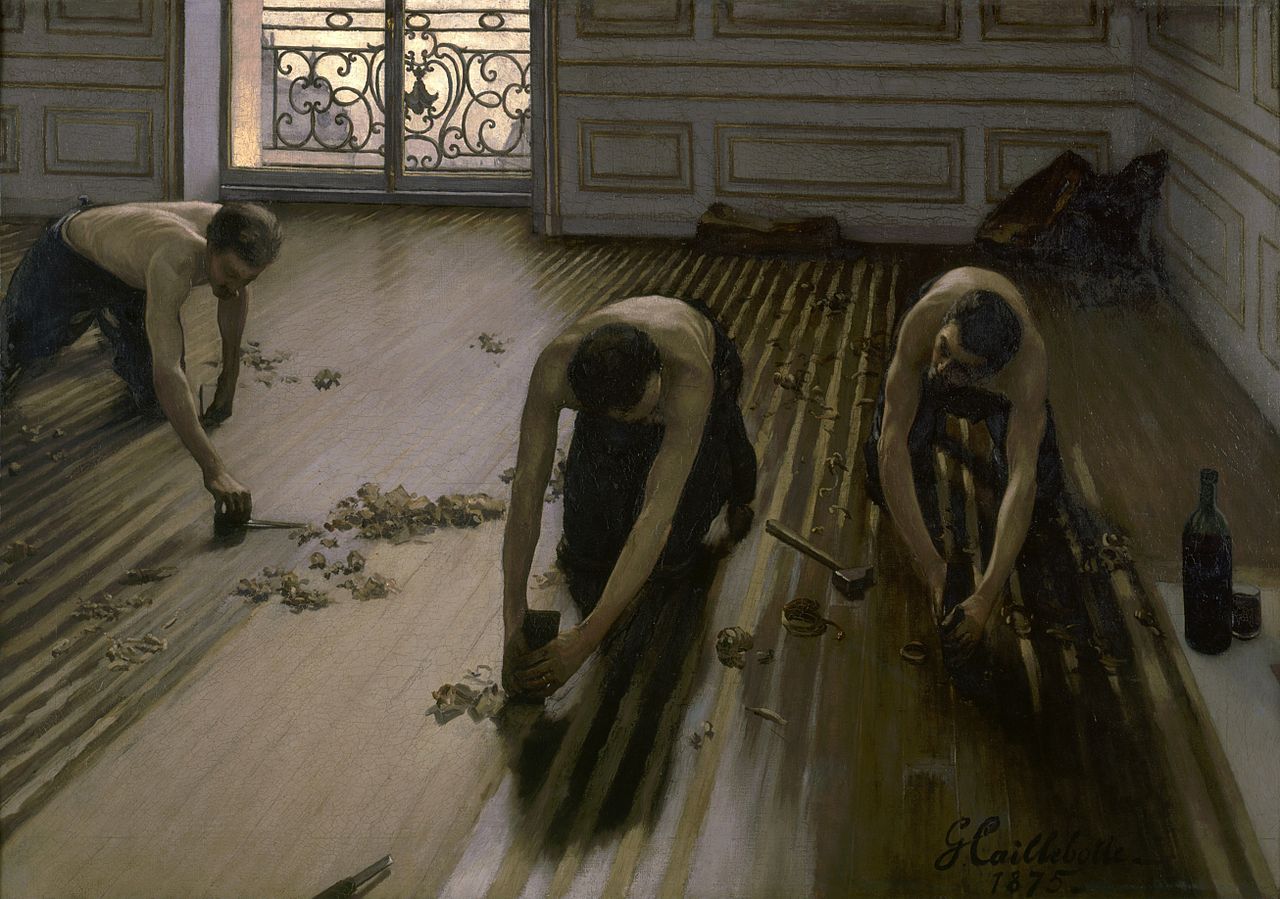
The Floor Scrapers
Gustave Caillebotte · 1875

Bal du moulin de la Galette
Pierre-Auguste Renoir · 1876

L'Absinthe
Edgar Degas · 1876

Girl with a Watering Can
Pierre-Auguste Renoir · 1876
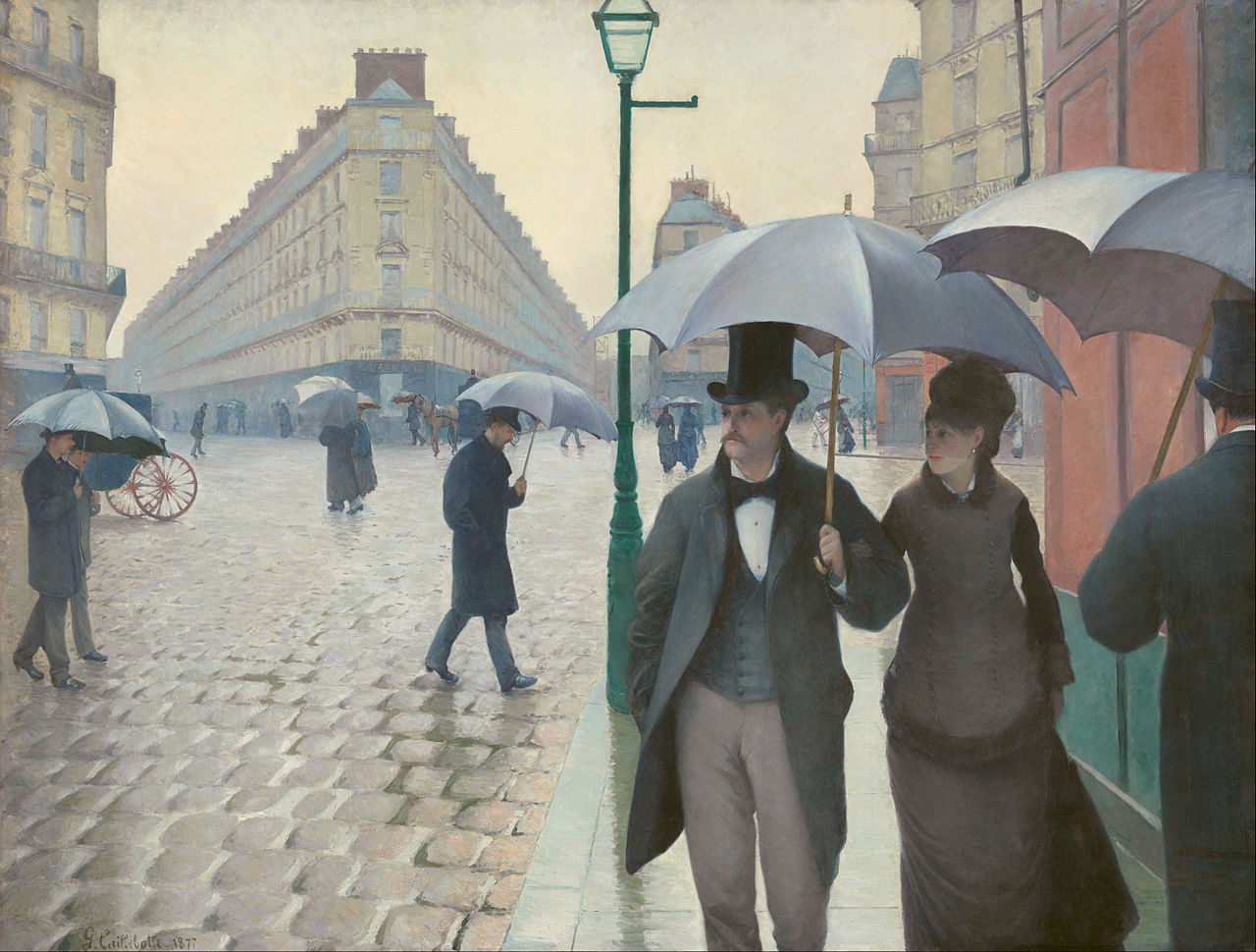
Paris Street; Rainy Day
Gustave Caillebotte · 1877

Arrival of the Normandy Train, Gare Saint-Lazare
Claude Monet · 1877

Snow at Louveciennes
Alfred Sisley · 1878

Little Girl in a Blue Armchair
Mary Cassatt · 1878

Luncheon of the Boating Party
Pierre-Auguste Renoir · 1880–81

Two Sisters (On the Terrace)
Pierre-Auguste Renoir · 1881

A Bar at the Folies-Bergère
Édouard Manet · 1882

Dance in the Country
Pierre-Auguste Renoir · 1883

Dance in the City
Pierre-Auguste Renoir · 1883

Carnation, Lily, Lily, Rose
John Singer Sargent · 1886

The Child's Bath
Mary Cassatt · 1893

Rouen Cathedral
Claude Monet · c. 1894
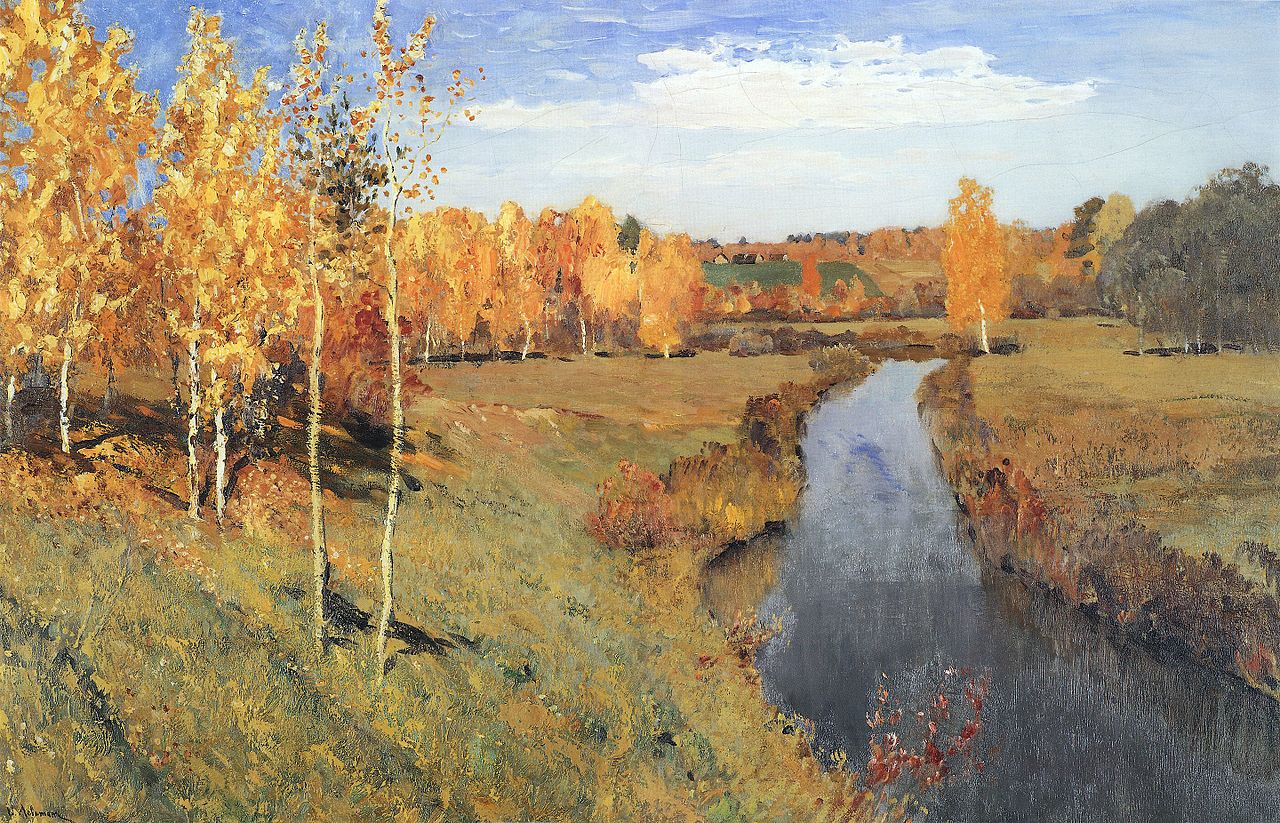
Golden Autumn
Isaac Levitan · 1895

The Boulevard Montmartre at Night
Camille Pissarro · 1897

Water Lilies
Claude Monet · c. 1906

Strolling along the Seashore
Joaquín Sorolla · 1909
Painters
Next: Rococo